Introduction
Wound treatment is an essential element of health care that plays an essential duty in the recuperation procedure of clients. Comprehending the complexities of wound management and the skills needed to give effective care can significantly improve patient end results. This short article intends to explore the foundations of basic wound care training, its significance for health care experts, particularly nurses, and how it integrates into more comprehensive patient monitoring strategies.
The emphasis will be on numerous aspects of wound care training, including specialized programs available for registered nurses, advanced training for intricate injuries, chronic wound administration techniques, and a lot more. By the end of this comprehensive guide, viewers will certainly acquire understandings into efficient wound treatment methods and the significance of continuous education in this vital field.
Basic Wound Care Training: Structures for Effective Patient Management
Basic wound care training works as the keystone for effective patient management. It incorporates a range of abilities and knowledge locations that are vital for anyone involved in providing direct like people with injuries. This training covers understanding various kinds of wounds-- such as acute, chronic, and intricate injuries-- and understanding just how to manage them efficiently.
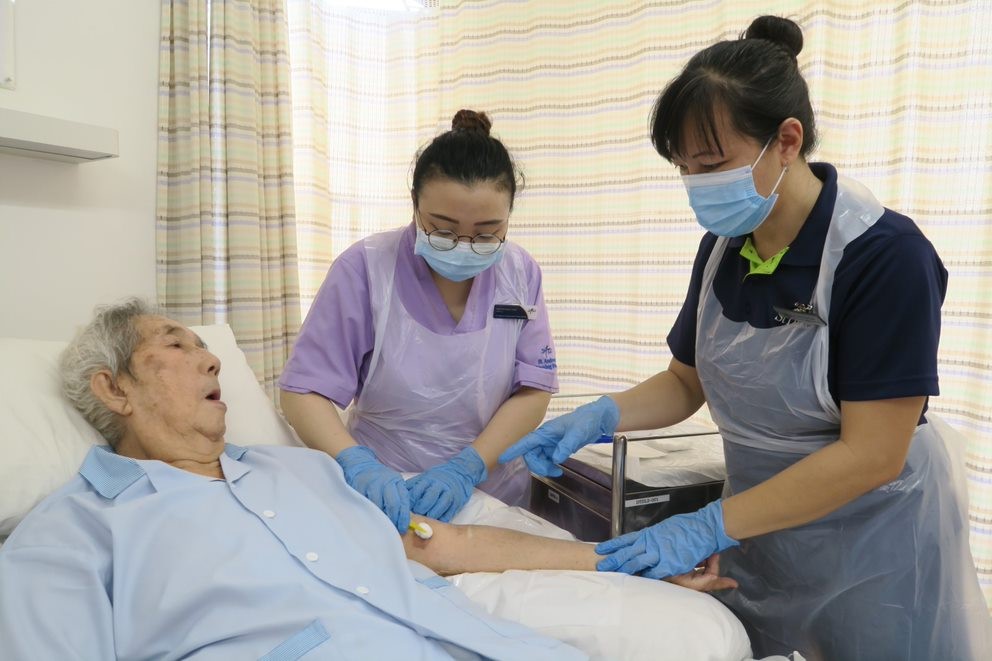
What Is Injury Care Expert Training?
Wound treatment professional training concentrates on preparing medical care experts with an in-depth understanding of various wound kinds. This specialized training outfits people with sophisticated expertise regarding recovery processes, infection control procedures, and finest methods for clothing selection.
Key Components of Wound Care Specialist Training:
Anatomy and Physiology: Understanding skin structure and recovery processes. Types of Wounds: Setting apart between medical, distressing, pressure ulcers, diabetic foot ulcers, etc. Assessment Techniques: Understanding just how to analyze wounds accurately making use of standard tools. Treatment Modalities: Exploring various treatment choices such as debridement approaches and progressed dressings.By obtaining these competencies with wound care specialist training, doctor can considerably enhance their capability to manage complicated instances effectively.
The Significance of Wound Care Training for Nurses
Nurses often function as frontline caregivers in injury monitoring settings. Therefore, detailed wound care training for nurses is important to guarantee they possess the requisite skills to deliver high quality individual care.

Why Is It Essential?
- Improved Client Outcomes: Properly educated nurses can add positively to faster recovery rates. Reduced Infection Rates: Expertise about infection control practices decreases the likelihood of complications. Enhanced Confidence: With sufficient training, nurses really feel equipped to make enlightened decisions concerning person therapy plans.
Incorporating basic wound care training into nursing educational program makes certain that future specialists are well-prepared for real-world challenges they may deal with in their careers.
Exploring Various Wound Care Training Courses
There are many training courses available around the world focusing on basic injury treatment. These courses accommodate differing levels of experience-- from initial programs planned for beginners to innovative workshops designed for knowledgeable practitioners.
Popular Types of Wound Care Training Courses Include:
- Online Certification Programs In-Person Workshops Specialized Seminars on Complex Wound Management NDIS (National Handicap Insurance Scheme) associated training courses concentrating on community-based wound care
Each training course uses distinct benefits customized to different knowing choices and needs.
Understanding Standard Wound Treatment Protocols
Basic injury care procedures lay down a structure that overviews healthcare providers in taking care of injuries successfully. Following these methods can significantly impact person contentment and recuperation times.
Essential Steps in Fundamental Injury Care Include:
Initial Assessment: Thorough assessment making use of aesthetic inspection methods. Cleaning the Wound: Utilizing clean and sterile strategies while cleaning. Dressing Application: Picking suitable dressings based upon private circumstances. Follow-Up Care: Arranging regular reviews to keep an eye on healing progress.Following these steps makes sure that each individual's special demands are satisfied while promoting optimum recovery conditions.
The Function of Nursing Wound Care Training Programs
Nursing wound care training programs play an important role in furnishing nurses with necessary abilities required for efficient client administration concerning wounds.
Components Covered in Nursing Wound Care Training Include:
- Comprehensive assessments Treatment planning based upon evidence-based practice Patient education pertaining to self-care techniques
Implementing these elements guarantees that nurses can offer top quality care throughout their clients' recuperation journeys.
Complex Wound Care Management Techniques
Managing facility injuries requires specialized knowledge as a result of the multifaceted nature of such injuries. Advanced training programs concentrate on gearing up professionals with current strategies ideal for attending to challenging cases effectively.
Specific Approaches Employed in Complicated Injury Management May Include:
- Negative Pressure Wound Therapy (NPWT) Advanced Dressings (e.g., hydrocolloid or alginate) Biologic Dressings Multidisciplinary Strategy including specialists like dietitians or physical therapists
With a thorough grip of these techniques with devoted complex wound care programs, experts can tackle also one of the most demanding situations confidently.
Chronic Wound Care Management Insights
Chronic injuries wound care and management position distinct difficulties as a result of their extended recovery times commonly linked with underlying health issues such as diabetic issues or vascular insufficiencies. Chronic wound care management stresses customized strategies targeted at addressing both signs and symptoms and source effectively.
Key Principles in Chronic Wound Monitoring Include:
Accurate Diagnosis-- Recognizing underlying conditions contributing to non-healing. Regular Tracking-- Tracking progress through systematic assessments. Patient-Centered Methods-- Engaging people actively entails them in their own recovery journey by enlightening them about self-care practices.Through diligent application of these concepts found out throughout persistent wound administration training sessions, healthcare providers can promote much better lasting end results for influenced individuals.
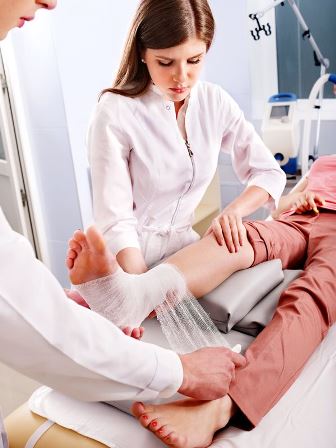
Wound Treatment Administration Finest Practices
Effective wound care management hinges upon applying best techniques designed based upon existing research findings and medical experiences alike:
1. Evidence-Based Guidelines
Utilizing evidence-based standards not only builds credibility but additionally makes sure all treatments align with acknowledged requirements within the medical area today!
2. Interprofessional Collaboration
Collaboration among various specialties-- including physicians' input alongside nursing competence-- boosts holistic strategies toward detailed treatment techniques!
3. Continual Education
Regular involvement in continual education programs maintains specialists updated regarding current improvements within this swiftly advancing field!
FAQs Concerning Basic Wound Care Training
1) What is standard wound care?
Basic wound treatment requires assessing an individual's injury complied with by cleansing it appropriately prior to using suitable dressings while keeping track of recovery progress over time!
2) Who must participate in fundamental wound care training?
Healthcare professionals entailed straight or indirectly with clients experiencing any type of kind(s)of injury would certainly profit tremendously from going to pertinent programs concentrated on developing relevant skills!
3) What certifications do I need before enrolling?
Typically no certain requirements exist in addition to being involved within health care areas; however previous experience dealing entailing straight client get in touch with may show beneficial when navigating training course materials!
4) How frequently should I update my abilities associated with this area?
It's recommended individuals rejuvenate their understanding every few years considering that new methods/techniques emerge continually changing existing practices ensuring all team stay experienced regarding developments offered throughout industry advancements!
5) Are online options available?
Yes! Several credible organizations supply on-line qualification options providing particularly in the direction of busy experts looking for versatility without jeopardizing educational high quality supplied easily through electronic formats!
6) Can I specialize after finishing initial program material?
Absolutely! Following completion individuals may pursue customized tracks concentrating either totally towards complex/chronic situations permitting them check out deeper details surrounding certain areas passions boosting competence provided throughout wider spectrum customers served daily!
Conclusion
In verdict, basic wound care training develops a vital structure whereupon reliable person management relaxes within contemporary health care contexts dealing mainly around injuries endured by people experiencing any number varied obstacles faced daily! Via continuous education and learning campaigns stressing collaboration amongst multidisciplinary teams along with implementation established ideal practices eventually leads boosted overall end results benefiting every person involved throughout process guaranteeing safety/quality provided consistently moving forward together!
Investing time right into pursuing pertinent coursework not only enhances individual capabilities yet also advertises improved interaction in between service providers & & people helping cultivate atmospheres ripe fostering trust & & partnership required make the most of success attained collectively when striving in the direction of shared objectives ahead!